We believe that chemistry is a fundamental science in addressing sustainability challenges. To contribute to more sustainable catalytic processes, we aim to discover new catalysts and reactivity patterns based on biradicaloids.
Our group takes a multidisciplinary approach, working at the interface of synthesis, physical chemistry, and theoretical chemistry. We believe that high-quality research emerges from an environment that values curiosity, open communication, and mutual support. Scientific progress thrives when people are encouraged to take initiative, think independently, and collaborate across disciplines.
Our leadership approach is based on trust, autonomy, and individual support.
We encourage team members to develop their own skills and scientific identity, while providing guidance tailored to their personal goals and needs.
Research Overview
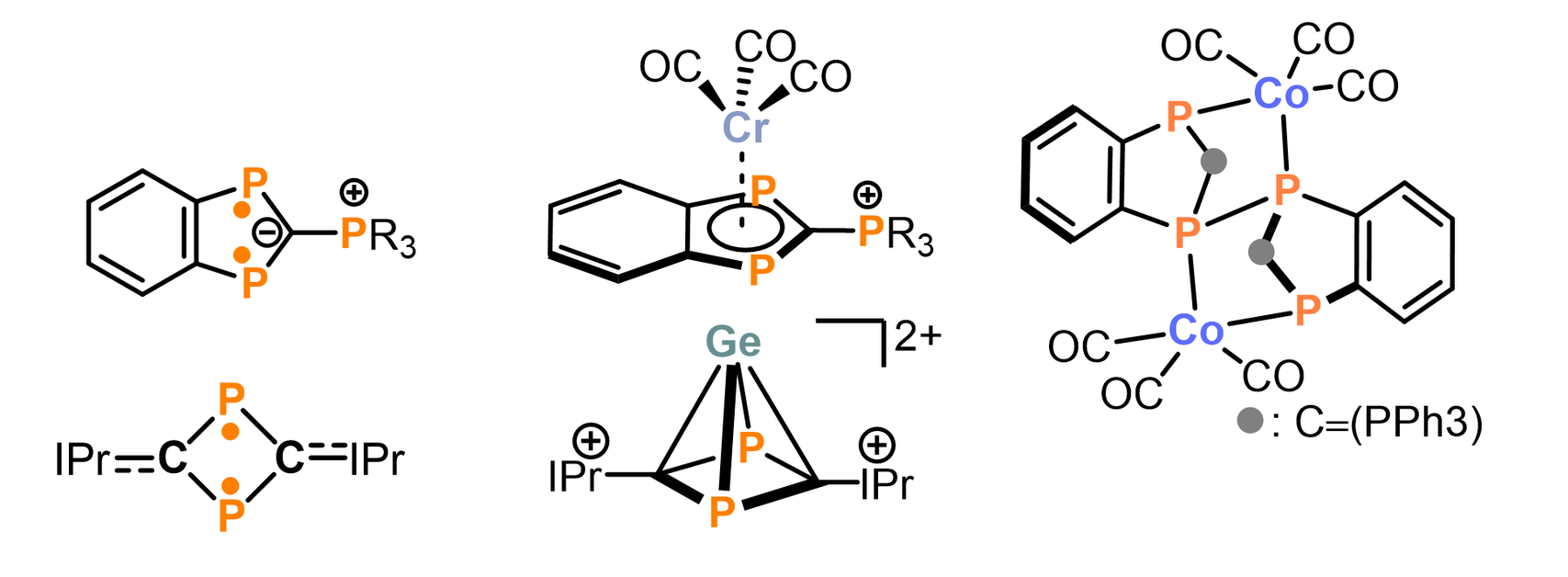
We focus on the coordination chemistry of unusual cyclic phosphorus-centered biradicaloids. Despite their exotic nature, these biradicaloids have some very appealing properties for the development of functional and cooperative ligands such as their strong binding to metal centers, their redox non-innocent behavior and the presence of Lewis-basic sites.
Our goal is to use these properties to develop more sustainable approaches in homogeneous catalysis, specifically by using biradicaloid ligands to enable first-row transition metals and main-group metals to mimic the behavior of noble metals in olefin functionalization.
Shown on the right below are two typical biradicaloids and representative complexes thereof which are used in our group:
Research methods
Sustainable laboratory practise
Chemical laboratories have a significant carbon footprint. To tackle the climate crisis effectively, it is essential to conduct relevant research activities while ensuring they are carried out sustainably. By implementing sustainable practices, scientists can set an example and inspire positive change within the wider community. For more information, you can find an article detailing the principles of sustainable laboratory practices here.
In our own laboratoy, we try to implement as much of these concepts as possible. In particular, we aim to:
- reduce plastic waste by avoiding single-use utensils or reusing them as much as possible
- reduce halogenated solvent waste by recycling of e.g. fluorobenzene and 1,2-difluorobenzene
- use of green(er) solvent alternatives, e.g. 2-methyltetrahydrofuran instead of THF
In the future, we also aim to use more ressource-friendly benchtop analytical devices (NMR, EPR etc.) for routine measurements.
The group
Publications
2026:
[09] Diphosphaindenyl π-complexes as a platform for hapticity-controlled metaloligand design
D. Zuber, M. Neuwirt, P. Coburger*, Dalton Trans. 2026, (DOI: 10.1039/d6dt01221c).
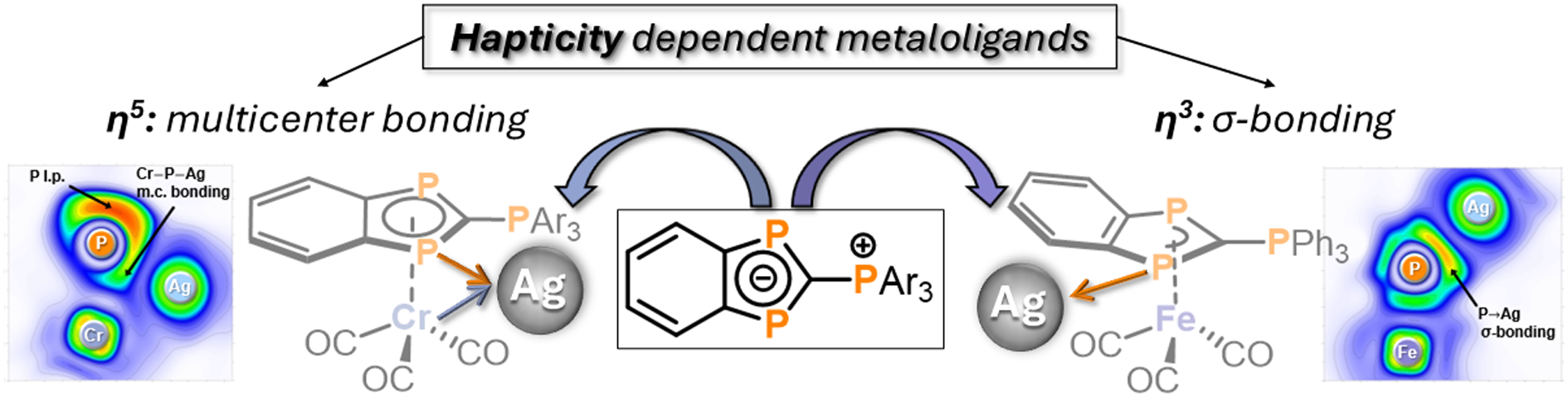
The hapticity of diphosphaindenyl π-complexes dictates their metaloligand behaviour, switching between classical a donation and bridging coordination to coinage metals, thereby enabling distinct multimetallic architectures.
[08] Phosphorescence of Heavy, T-Shaped Pnictogen Trisamides in Solution at Room Temperature in the Near-Infrared II Region
K. L. Deuter, S. Pavlidis, R. F. Winter*, P. Coburger*, J. Abbenseth*, Chem. Eur. J. 2026, e71049.
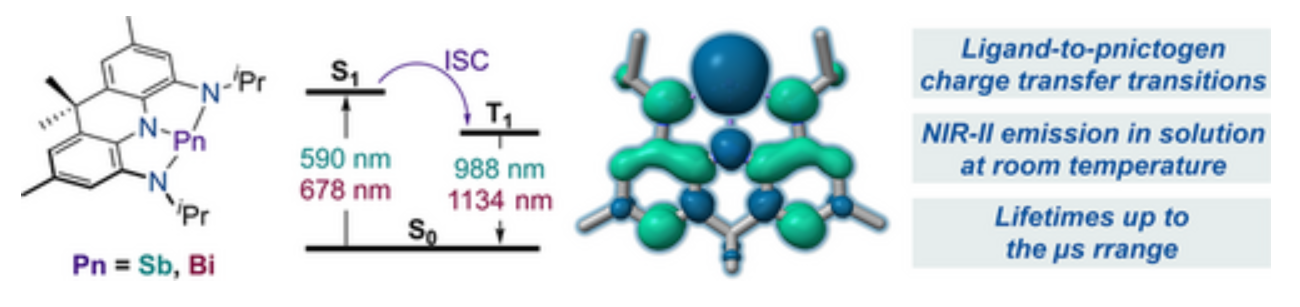
The unique photophysical properties of heavy T-shaped Sb and Bi trisamides are reported. A ligand-to-pnictogen charge-transfer excitation from a redox-active NNN pincer to a vacant pnictogen p-orbital populates a triplet state that emits in the highly desirable NIR-II region, with lifetimes up to the µs range. This represents the first example of Sb(III) and Bi(III) compounds showing NIR emission in solution at room temperature.
[07] Azobenzene-Functionalized Ionic Liquids: Light-Responsive Surfactants With Catalytic Potential
M. Hegelmann, S. Frei, J. Zuber, J. Luibl, W. Korth, A. Jess, P. Coburger, M. Cokoja*, ChemistryOpen 2026, 15, e70203. (shared first authorship between M. H. and S. F.)
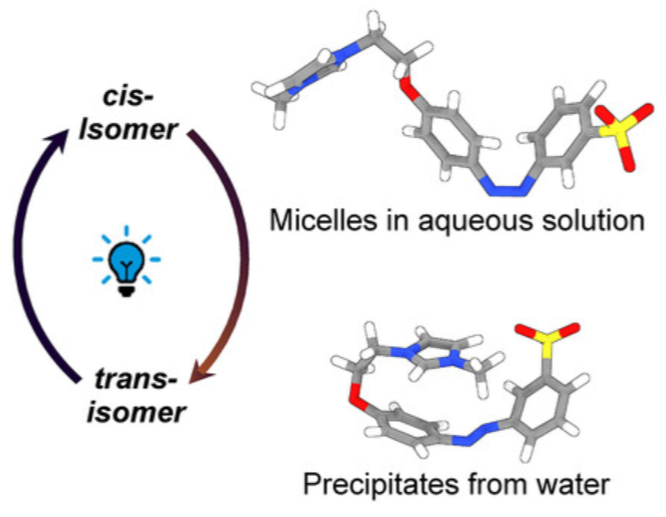
Surface-active imidazolium-based ionic liquids containing an azobenzene group exhibit different micellization properties upon photoisomerization. Applying a sulfonate tag to the azobenzene moiety profoundly affects the physicochemical behavior of both isomers in water. While the cis-isomer forms micellar aggregates, the trans-isomer is insoluble and precipitates. Such a behavior bears a perspective for the recycling of molecular catalysts attached to such surfactants.
[06] Modular Design enables Access to Onium-substituted Diphosphacyclobutadienyl Complexes
S. Frei, M. Neuwirt, P. Coburger*, CEUR. 2026, 4, e202500475.
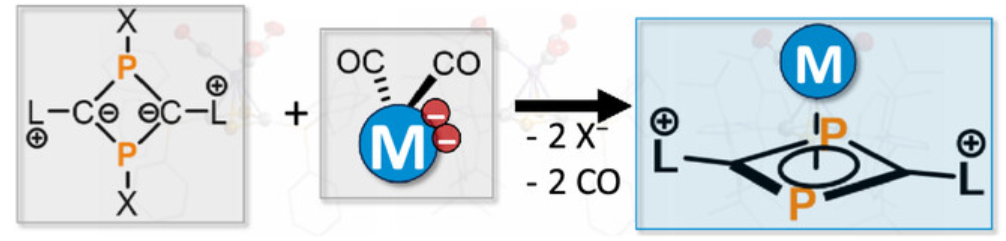
A modular synthetic approach affords a series of cationic cobalt and manganese carbonyl half-sandwich complexes bearing onium-substituted diphosphacyclobutadienyl ligands. In this strategy, the onium substituents are readily varied, and the cyclobutadienyl ligand is assembled in situ within the metal coordination sphere. The resulting complexes provide a platform to systematically study the properties and reactivity of these unique ligands.
2025:
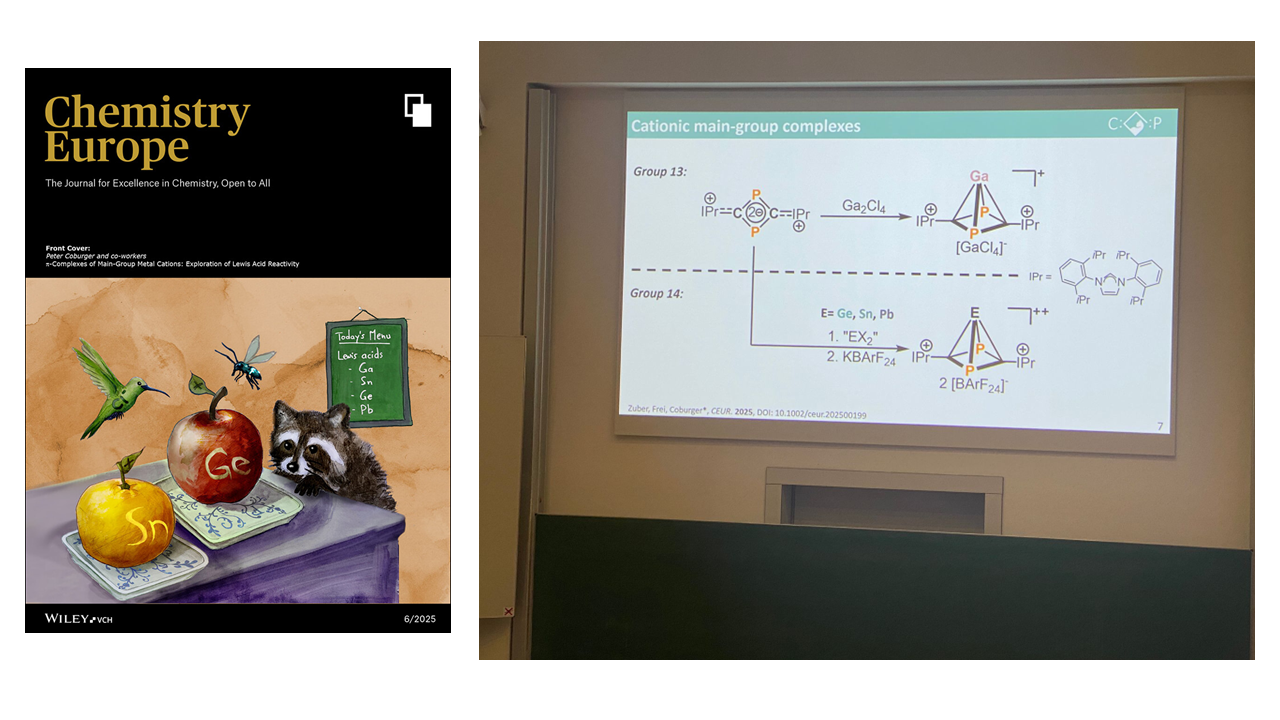
[05] π-Complexes of Main-Group Metal Cations: Exploration of Lewis Acid Reactivity
D. Zuber, S. Frei, P. Coburger*, CEUR. 2025, 3, e202500199 (front cover).
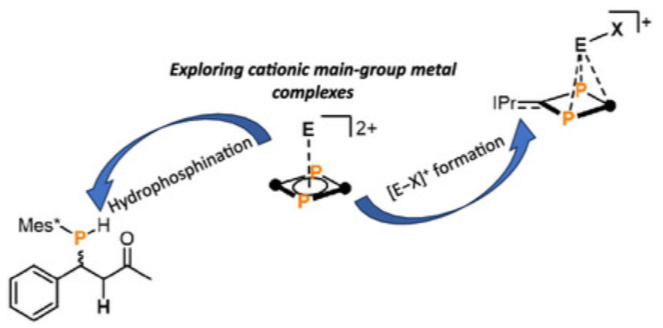
A series of cationic main-group complexes was obtained using the neutral, zwitterionic ligand IDP. The Lewis acidity of these complexes is explored by catalytic hydrophosphinations and halide addition reactions. The latter allow for the isolation of unusual π-complexes of tetryliumylidenes.
2024:
[04] Redox-induced Dimerisations of a phosphacyclic Biradicaloid
D. Zuber, O. Storcheva, K. P. Lüdtke, L. Brunk, P. Coburger*, Chem. Commun. 2025, 61, 2798-2801.
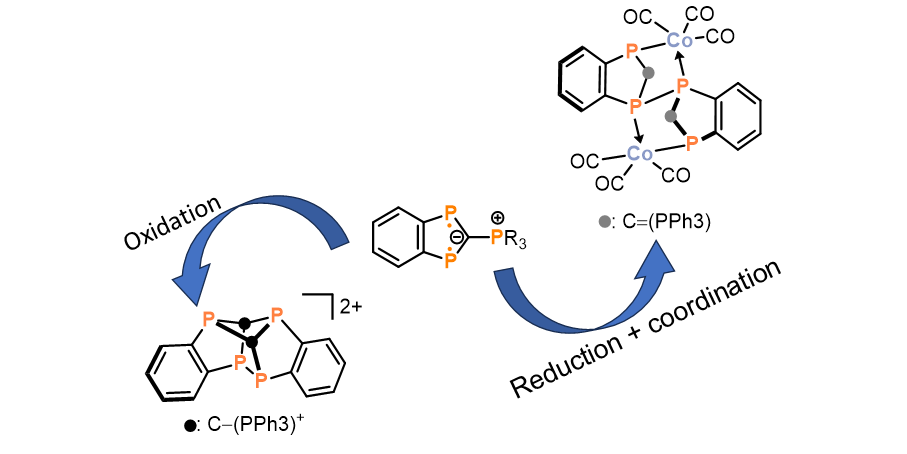
Reduction and oxidation of a phosphacyclic biradicaloid leads to reactive radical species which undergo selective dimerisation reactions.
[03] On the role of aurophilic interactions in determining geometries in [Pn(AuL)4]+ complexes (Pn = N, P, As)
P. Coburger,* T. Hadlington,* ZAAC 2024, e202400198 (dedicated to H. Schmidbaur on the occasion of his 90th birthday).
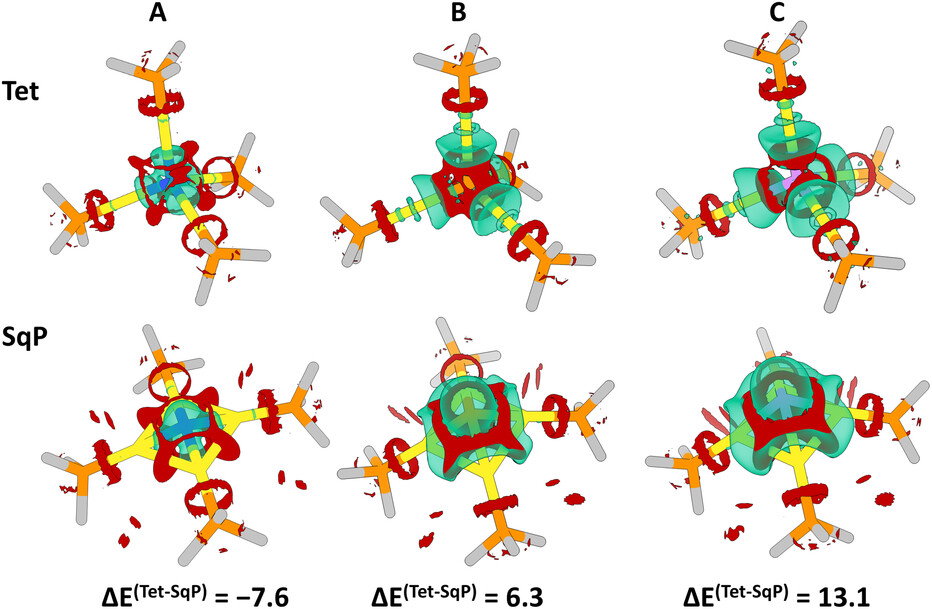
A computational inspection of the bonding in clusters [Pn(Au·PMe3)4]+ (Pn = N–As) is presented. This ultimately finds that aurophilic interactions play a significant role in the switch from a tetrahedral to a square-pyramidal geometry for P and As, the closer Au···Au contacts in this conformer amounting to ≈15 kcal mol−1 stabilization energy, overcoming strong P/As3−–[Au4]4+ electrostatic interactions for the hypothetical tetrahedral form.
2023:
[02] Phosphonium-substituted Diphosphaindenylide (PPI): Exploration of Biradical Character and Ligand Properties
P. Coburger,* D. Zuber, C. Schweinzer, M.Scharnhölz, Chem. Eur. J. 2023, e202302970 (front cover, part of the collection "Chemistry of the p-Block Elements").
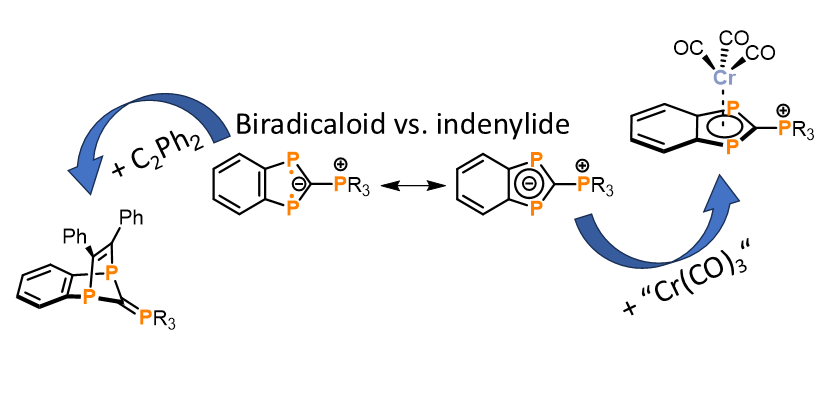
The synthesis of a phosphonium-substituted diphosphaindenylide, PPI, is reported. Introduction of two P atoms to the indenyl core results in considerable biradical character. Moreover, the ligand properties of PPI are investigated using a chromium tricarbonyl complex as model compound.
[01] Redox-chemistry of Pyramidanes: A DFT Study
P. Coburger,* Eur. J. Inorg. Chem. 2023, e202300596 (part of the collection “Inorganic Reaction Mechanisms”).
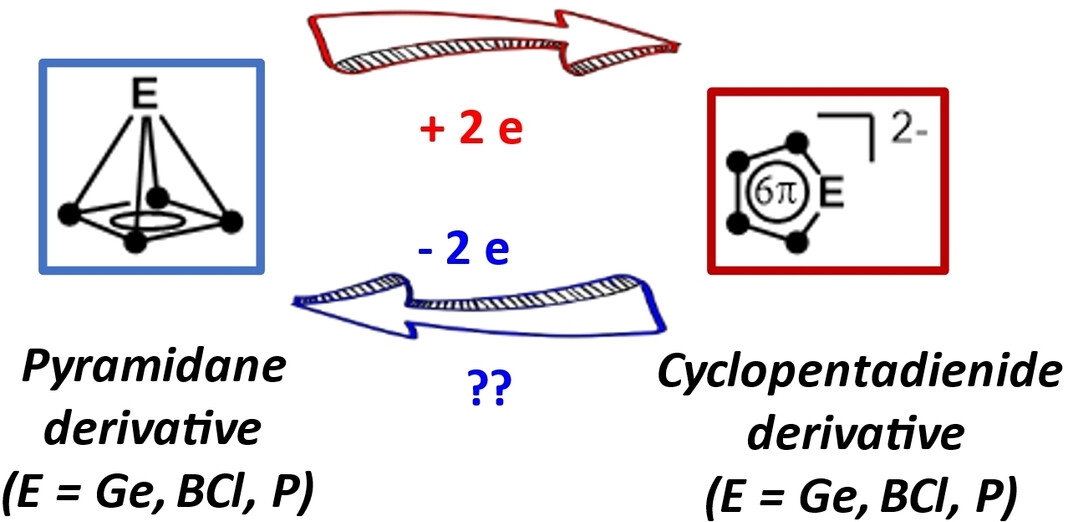
The reaction mechanisms for the reduction induced rearrangement of a series of pyramidanes into their cyclopentadienide derivatives were elucidated using density functional calculations. The calculations indicate that the reductions might proceed in a facile manner. However, the re-oxidation of the cyclopentadienide might yield meta-stable cyclic species. The latter represent intriguing synthetic targets.
News
2026:
07/2026
- Davids manuscript about the diverse multimetallic coordination chemistry of our PPI ligand got accepted and published in Dalton Transactions (together with a nice fron cover which will follow later this year). This work shows that PPI can coordinate metals via its π-system and the phosphorus lone pairs, but ligand hapticity also plays a crucial role - read more about it here!
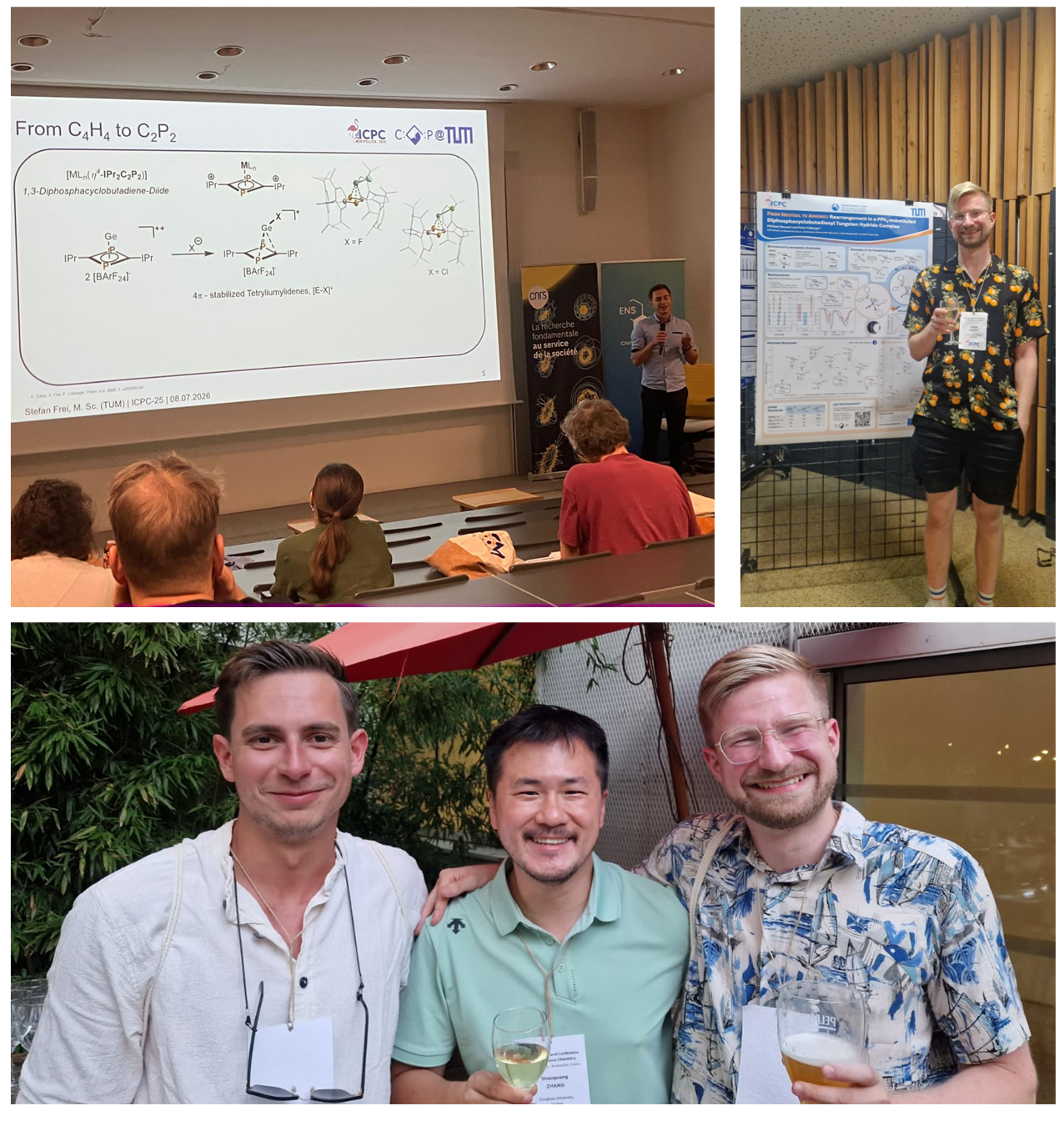
- Just after Peter attended ICCC, Stefan and Michi traveled to Montpellier to attend the International Conference on Phosphorus Chemistry (ICPC). Besides meeting old friends and colleagues, they showed our chemistry to the phosphorus experts with a poster and oral presentation.
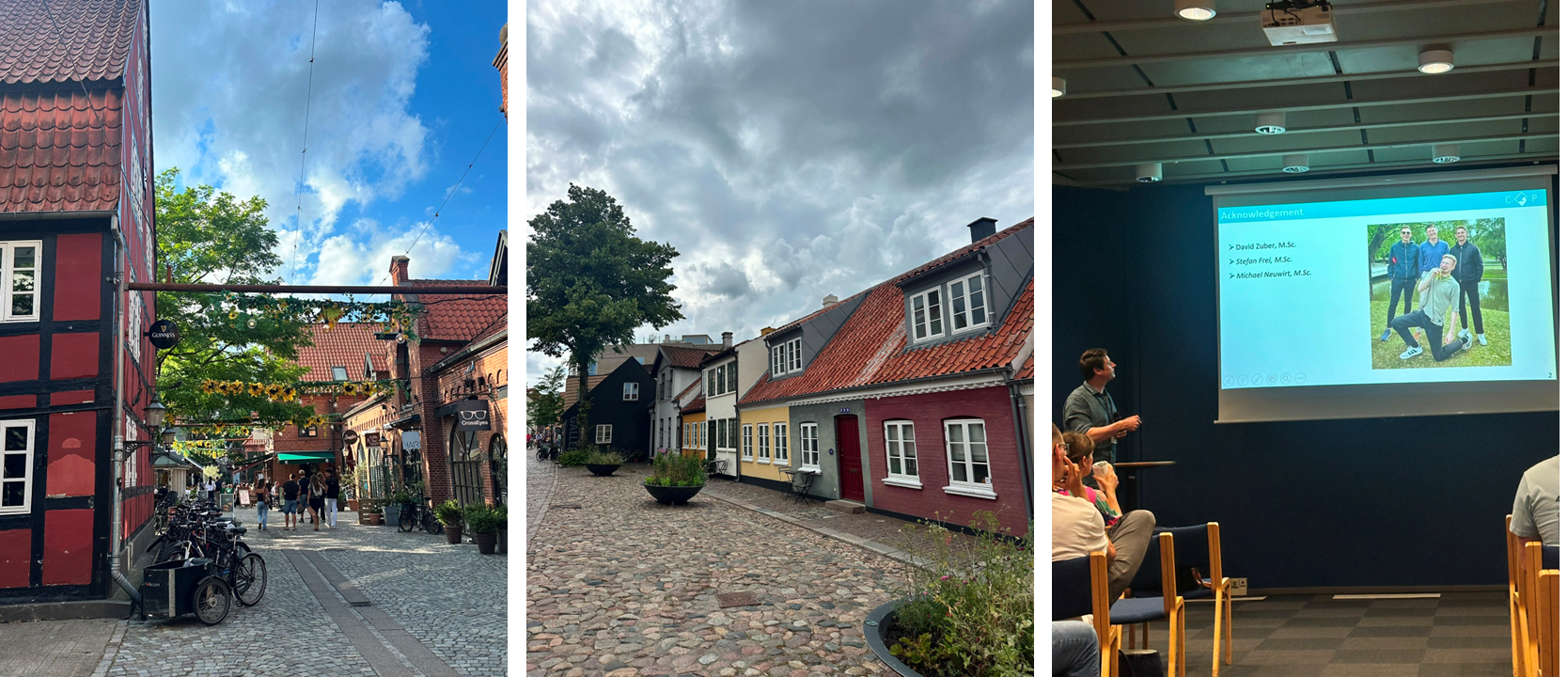
- Together with members of the Hadlington group, Peter travels to the International Conference on Coordination Chemistry (ICCC) in Odense. This conference covered all aspects of coordination chemistry and gave us the oppurtunity to present our tungsten chemistry to a wide audience.
03/2026
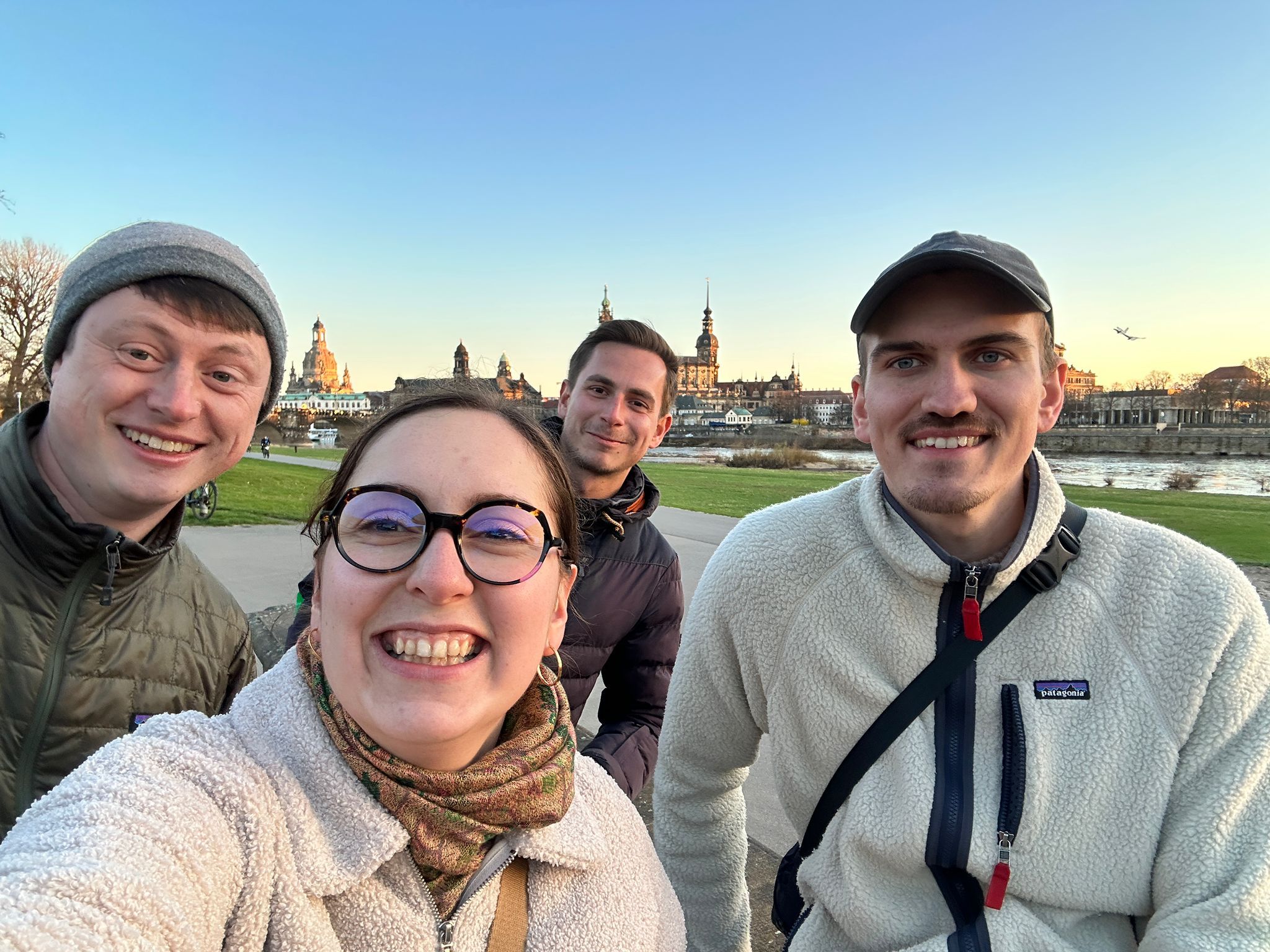
- March is conference month: First, Peter travels to Essen to present our research on the coordination chemistry of phosphaindenyl ligands; next a nice trip to Dresden brings Peter and Stefan (together with the Hadlington group) to the EWPC. This workshop on pnictogen chemistry gave Stefan the oppurtunity to present his manganese-phosphine complexes and their unique reactivity.
2025:
12/2025
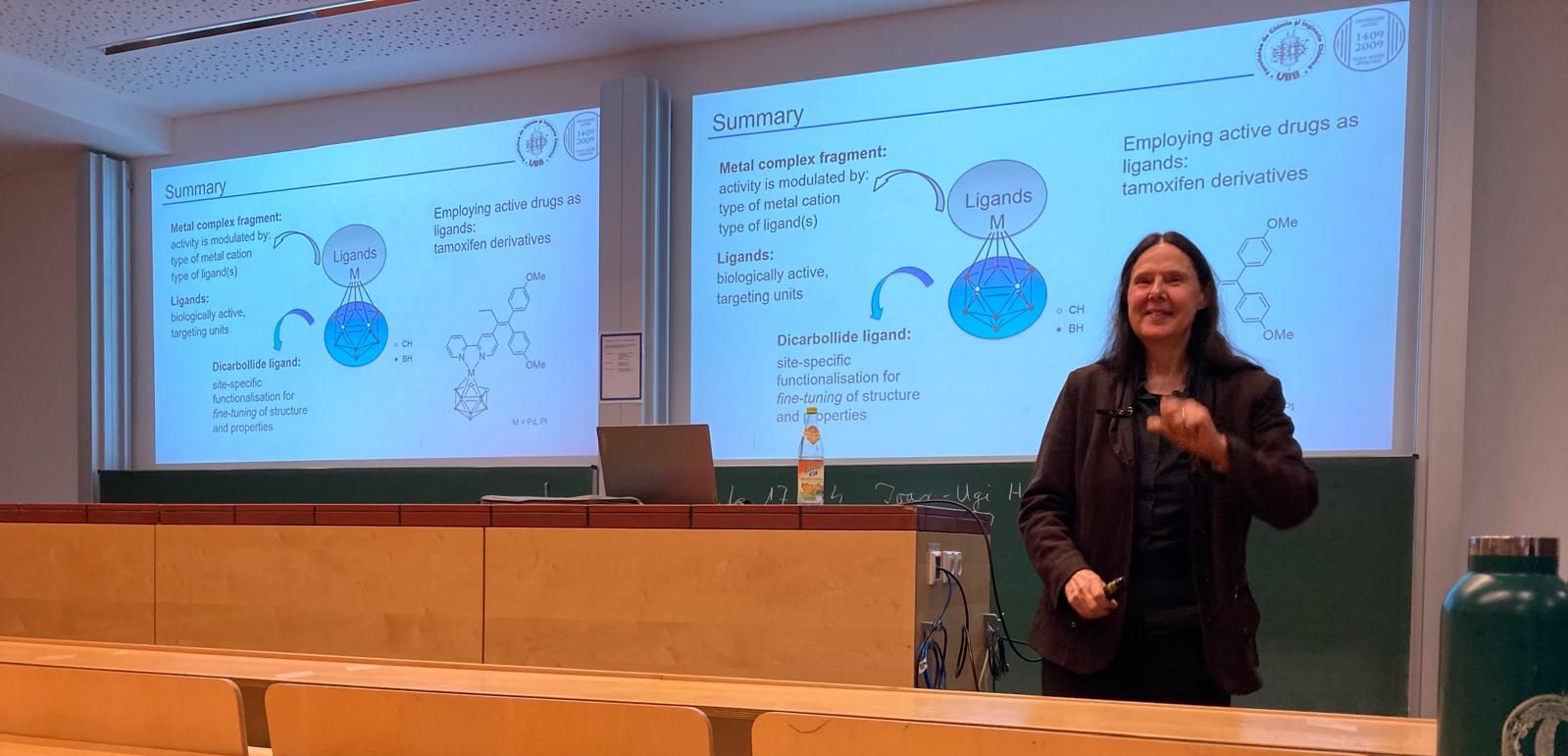
- The year ends with a special occassion: Evamarie Hey-Hawkins, Peter's PhD supervisor, visits TUM to give a lecture on medicinal chemistry evolving around the element boron.
11/2025
- Leo Schickinger starts his Master's Thesis with us, working on main-group cations. All the best and lots of cool crystal structures :)
- David's paper on pi-complexes with a biradicaloid ligand is finally out in print, together with a very nice cover designed by Christoph Selg. You can find the paper following this link.
- Peter travels to Rostock to give his first invited GdCh lecture. A very succesful trip meeting old and new colleagues and having the oppurtunity to talk about our Chemistry in detail :)
09/2025
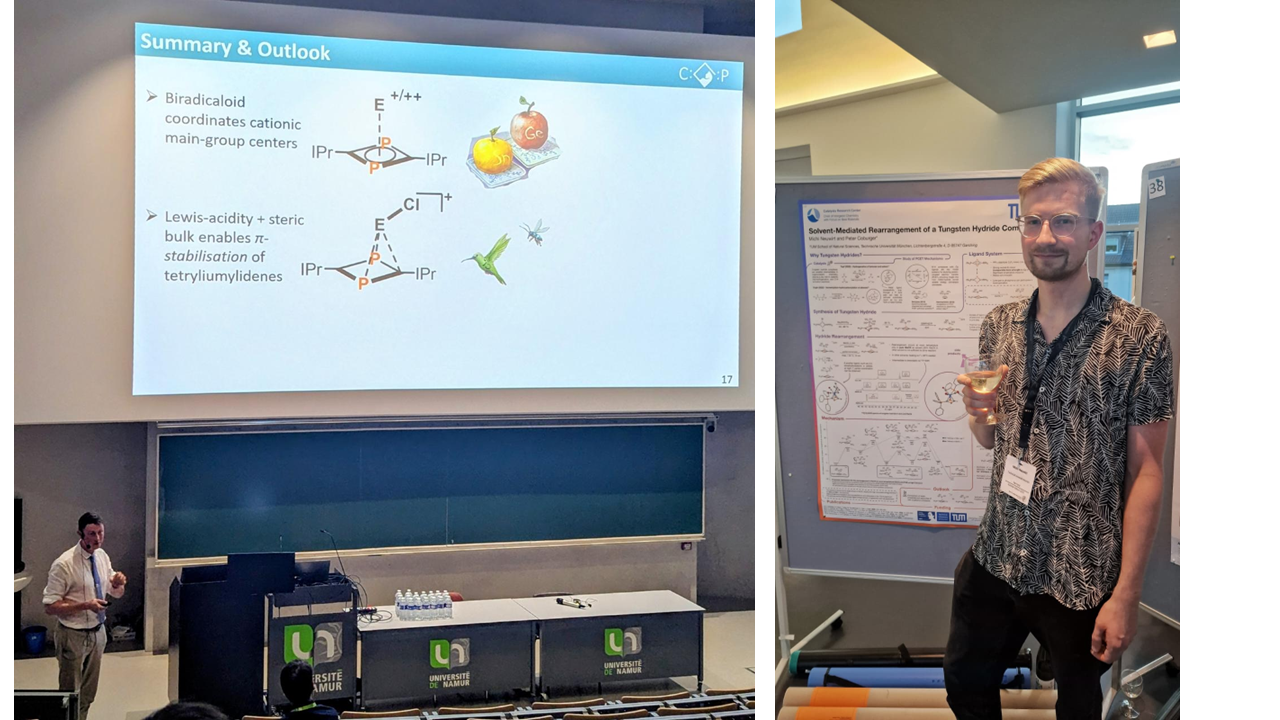
- Conference time! Peter travels to Namur, Belgium, to attend the first conference on Main-Group Elements Reactivity Conference (MG-ERC). He presented our recently discovered pi-stabilised main group cations. Meanwhile, Michi attends the the Summer School „Spectroscopy and Electronic Structure of Transition Metal Complexes“ to get the latest updates on novel theoretical methods.
07/2025
- First time for everything! Peter travels to Rostock to serve as an external referee for a PhD defense. An exciting oppurtunity to also connect with colleagues in Rostock and eat some nice fish :)
06/2025
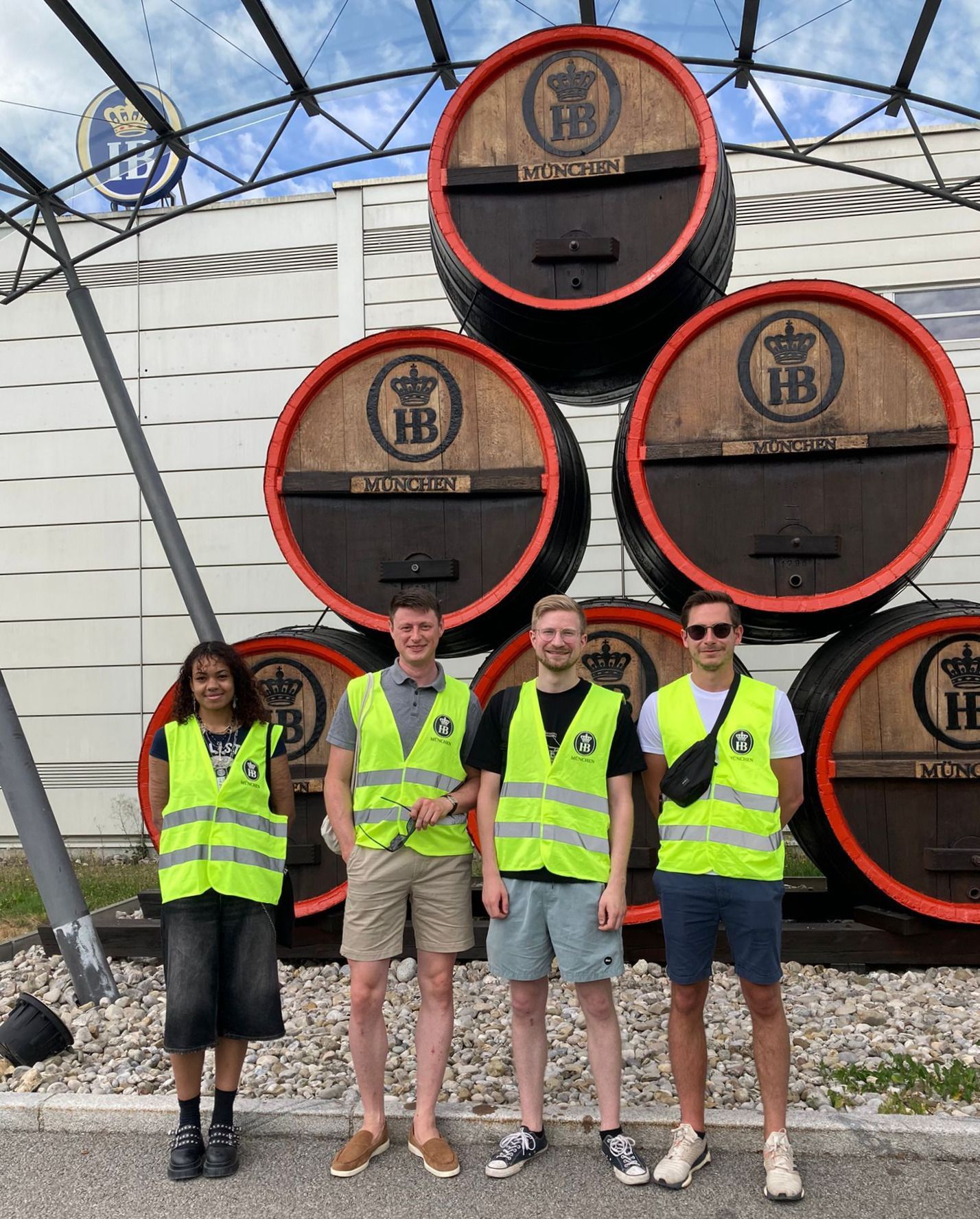
- We welcome Vivi to the group! She does her Bachelor's Thesis in our group, working on chromium-biradicaloid complexes. As a proper bavarian group outing we visited a brewery tour organised by the chair of R. Fischer (TUM).
05/2025
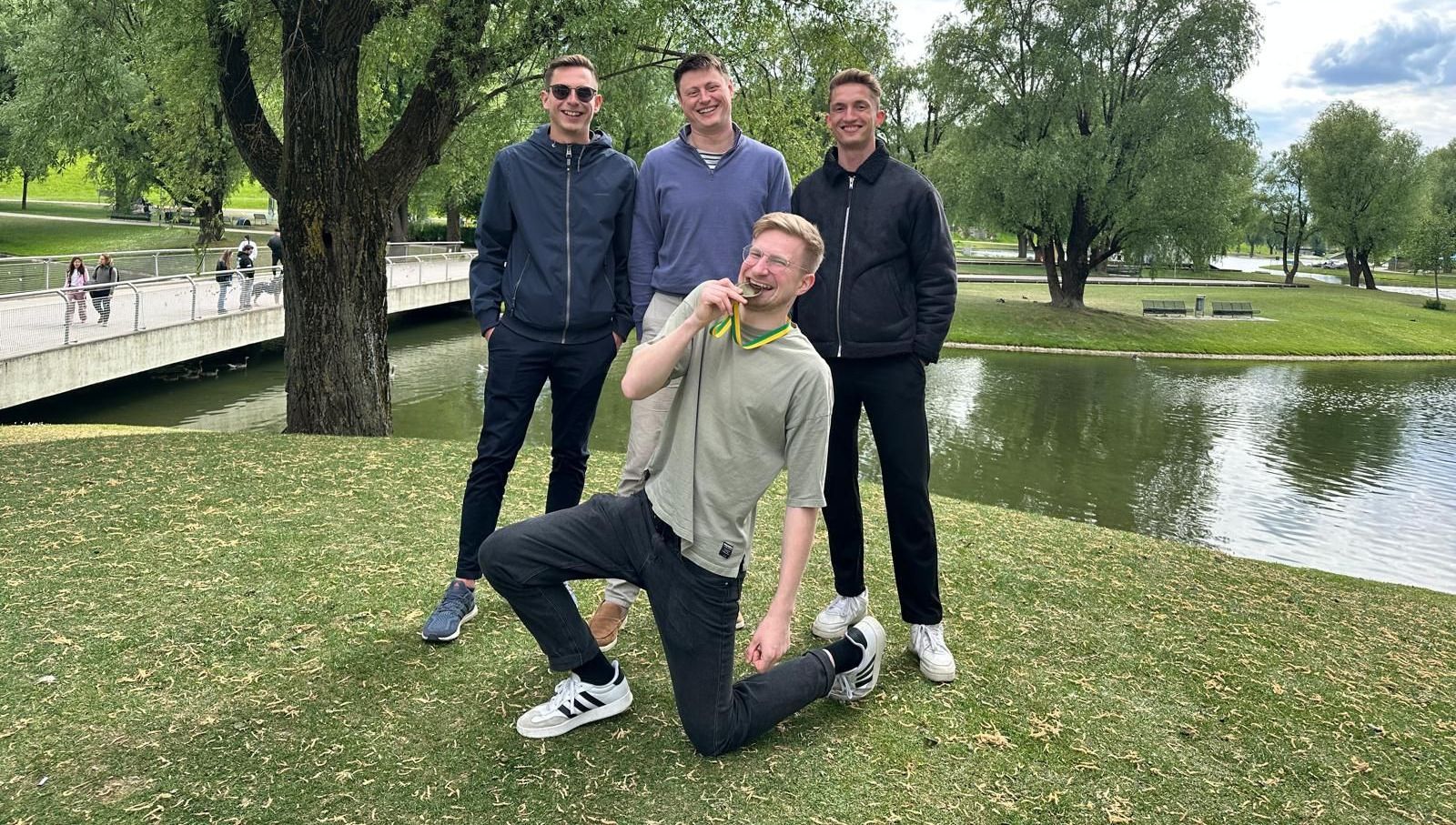
- We went on a group outing with the Hadlington group, including a fun game of minigolf. Michi won a medal for the most hole-in-ones!
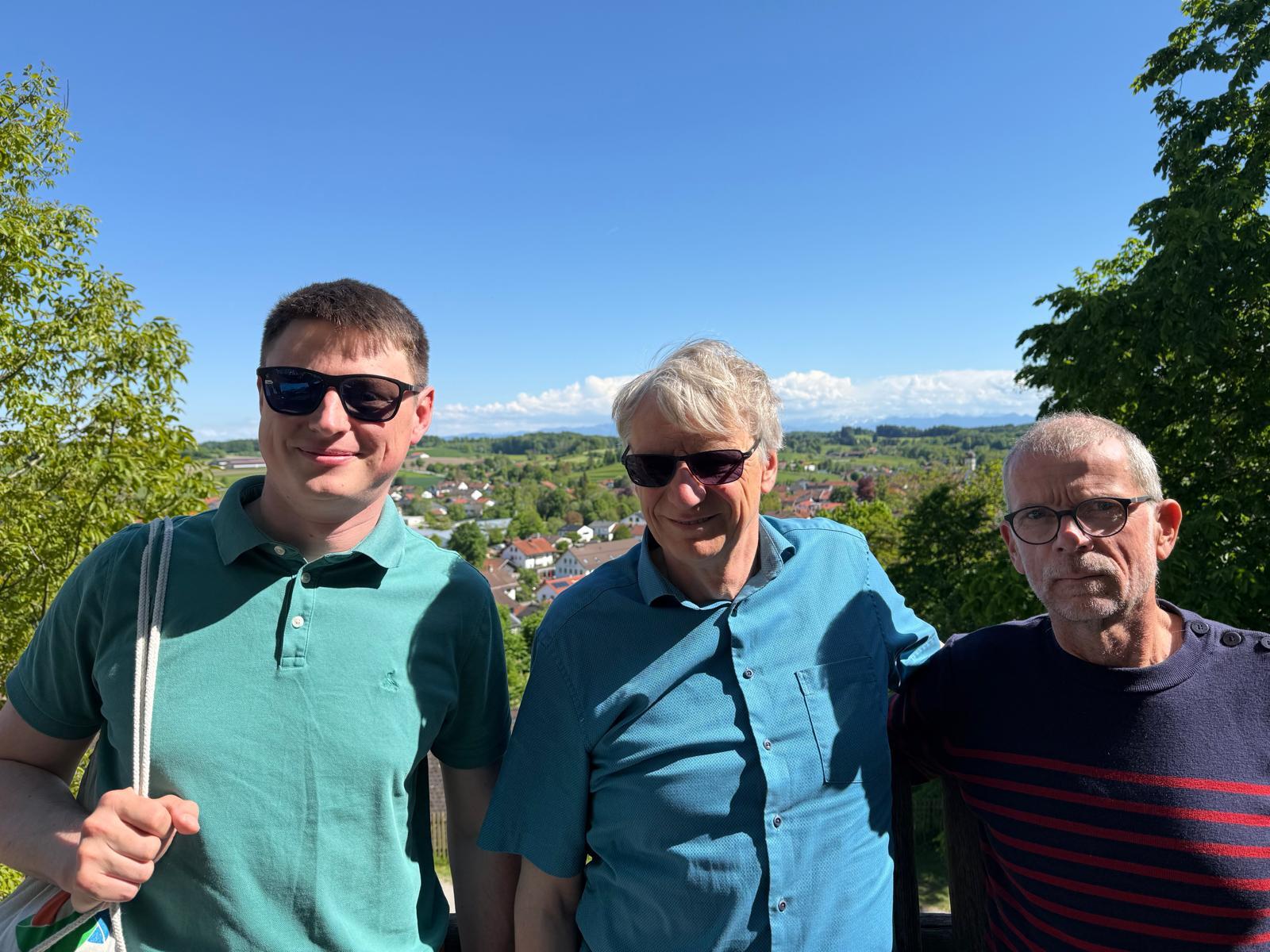
- A special visit from Switzerland - Hansjörg Grützmacher visits TU Munich to deliver an exciting talk about his endeavors in catalysis and phosporus materials at the ETH Zurich. His visit also included a lovely trip to "Kloster" Andechs with Thomas and Peter.
03/2025
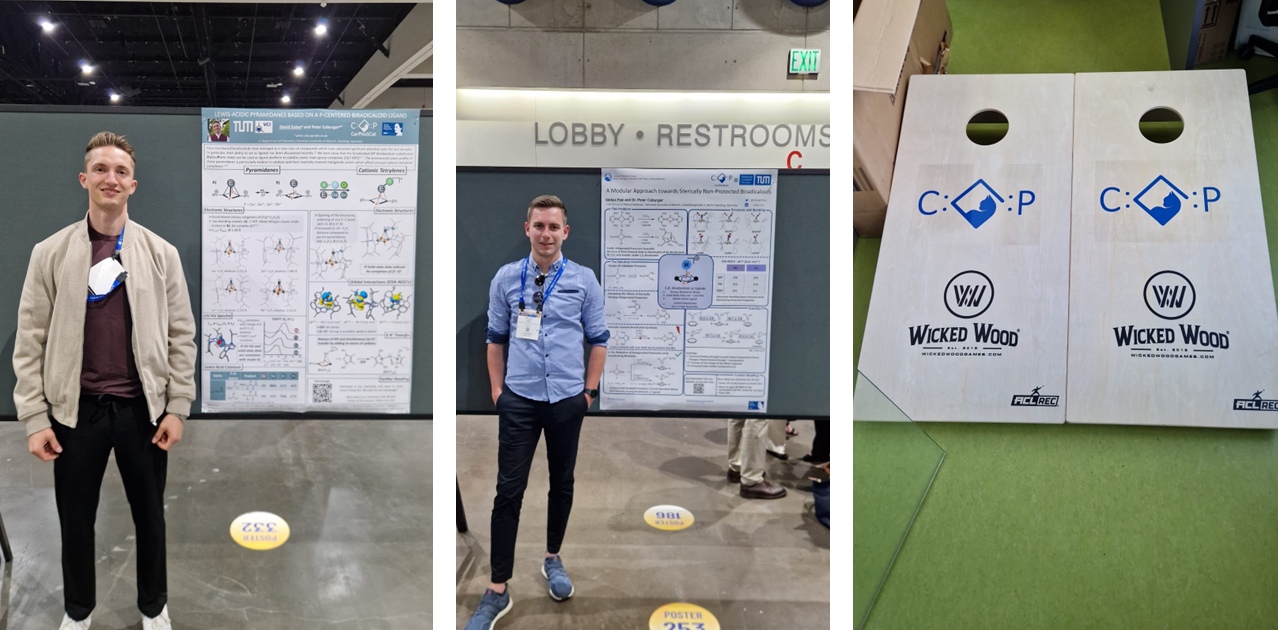
- A busy month full of meetings! Peter travels to Braunschweig to present our chemistry at the Annual Spring Meeting of the Phosphorus Working group of the GdCh and the Chemiedozententagung. Later this month, Stefan and David travelled to the ACS Spring Meeting in San Diego to present their projects at the ACS Spring Meeting. Not only did they return with plenty of insight into inorganic chemistry but also a new "team building device" in the form of cornhole :D
02/2025
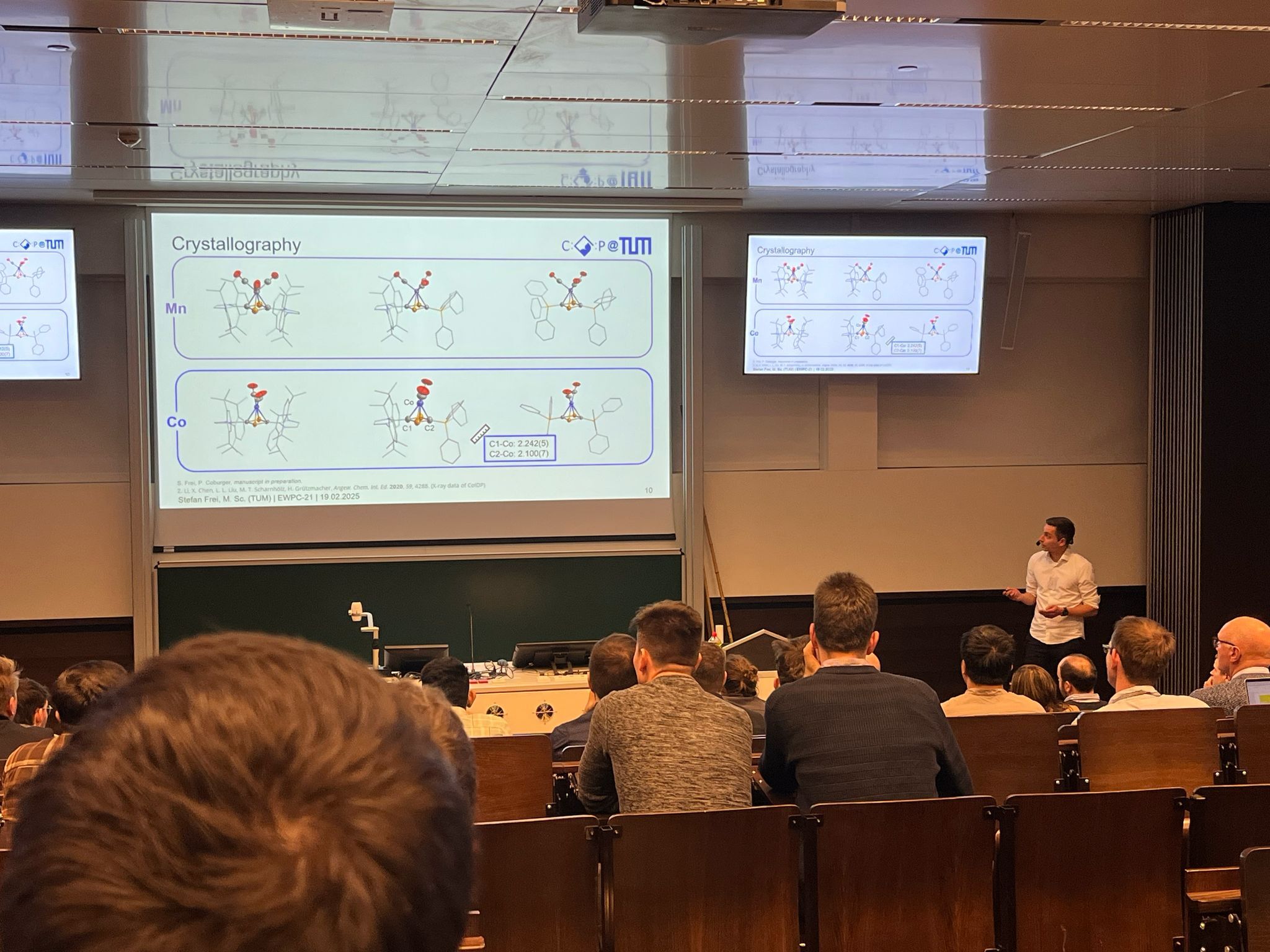
- Stefan and Peter travel to Innsbruck to attend the EWPC (European Workshop on Phosphorus Chemistry, including the other pnictogen elements for the first time). Alongside seeing some old friends, this conference brought together PhD students from around Europe, resulting in three days of fascinating pnictogen chemistry. Stefan provided his first talk at an international conference (with great success!).
01/2025
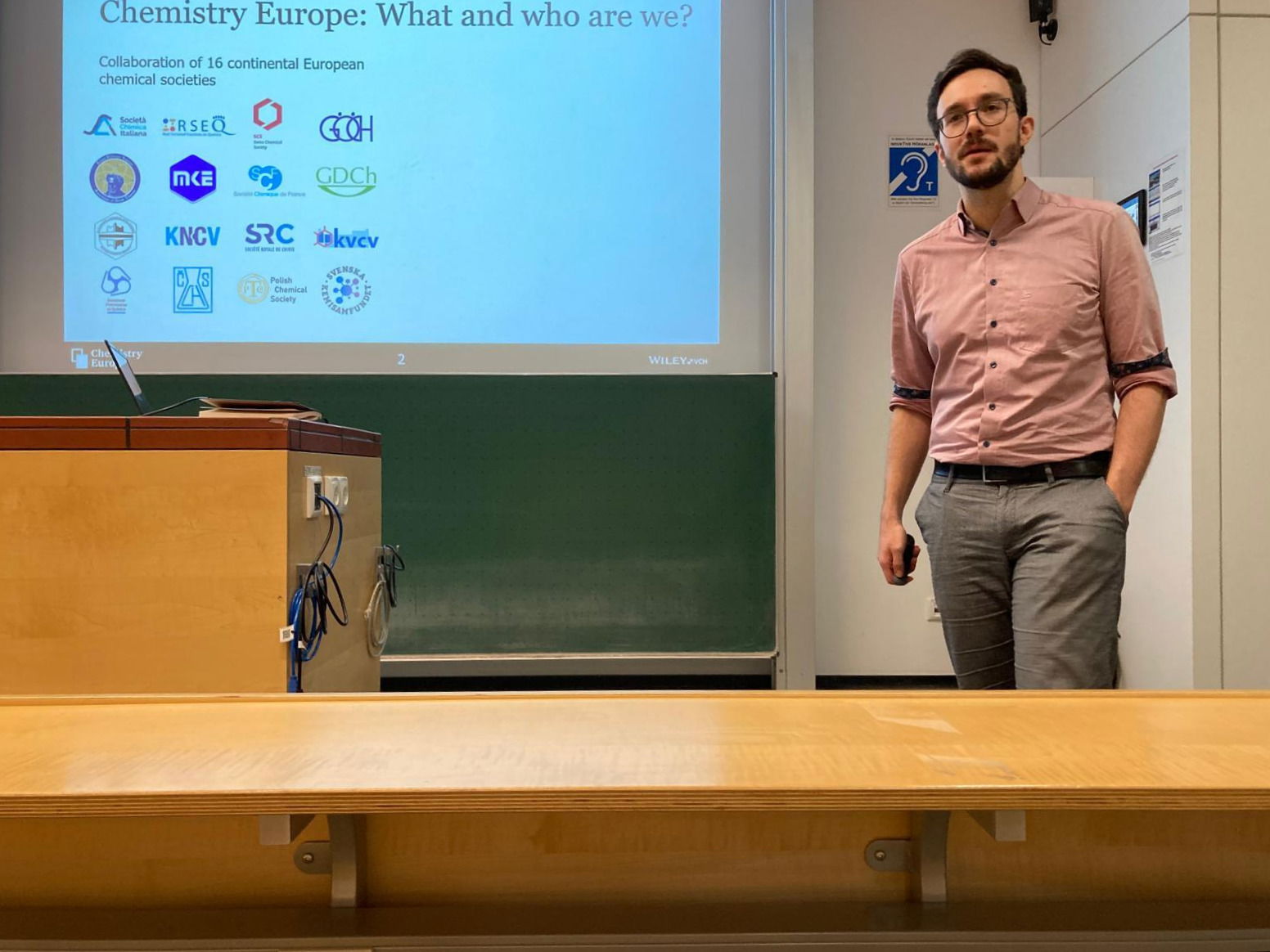
- A visit from Wiley-VCH! Axel Straube, editor of Chemistry - A European Journal and ChemPlusChem, visits TU Munich to provide a workshop on publishing. Axel gave two fascinating talks sharing first-hand editorial insights into the publishing process and ethical aspects regarding scientific misconduct, paper mills and data manipulation. The succesful workshop was followed by a lovely "Nachsitzung" at the Augustiner in Garching.
2024:
12/2024
- An exciting year comes to a close which brought our projects much further. Two papers also appeared towards the end of the year, a theoretical study on gold clusters (with Terrance Hadlington as co-corresponding author) and a study on the redox chemistry of our five-membered biradicaloid PPI. These are just a glimpse into our ongoing research activities, more papers will follow in 2025 :)
10/2024
- The special collection: "Non-innocent ligands in sustainable catalysis" appeared in ChemCatChem and EurJIC! It features Peter and Julia Khusnutdinova as co-guest editors and covers selected examples illustrating the role of the ligand in enabling (or disabling) catalytic bond cleavage/formation processes via metal-ligand and metal-metal cooperation. The special collection can be found here.
09/2024
- We welcome Michael Neuwirt to the group. He will be working on metal-ligand cooperativity in modified biradicaloid complexes - all the best, Michi :)
- Our group attented the "Wöhlertagung"/GdCh conference on inorganic chemistry hosted at TUM (also in part organised by us). Lots of interesting talks and posters and David presented our work on exotic main group cations.
05/2024
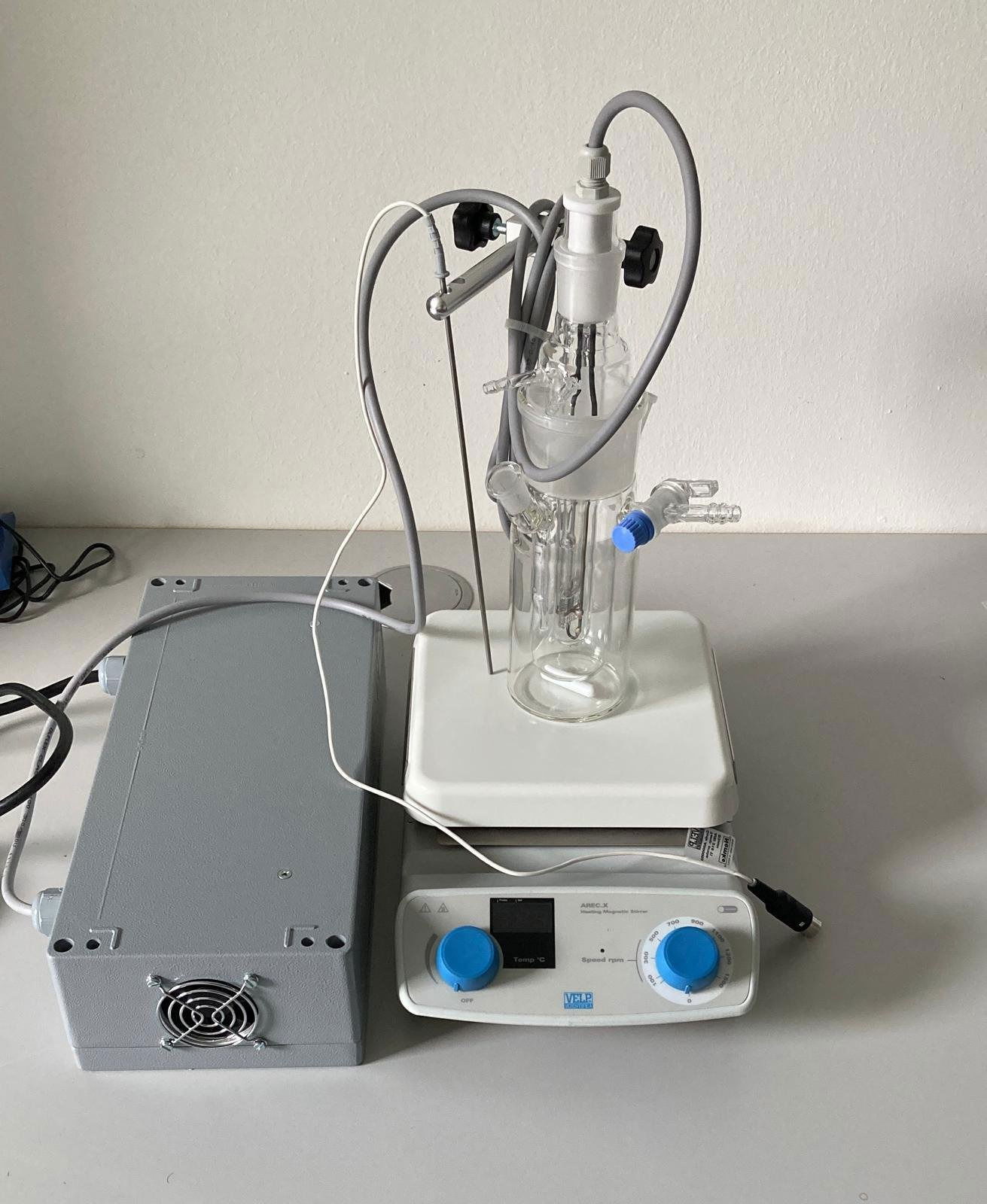
- After a while, we finally assembled our photoreactor equipped with a medium-pressure mercury lamp!
04/2024
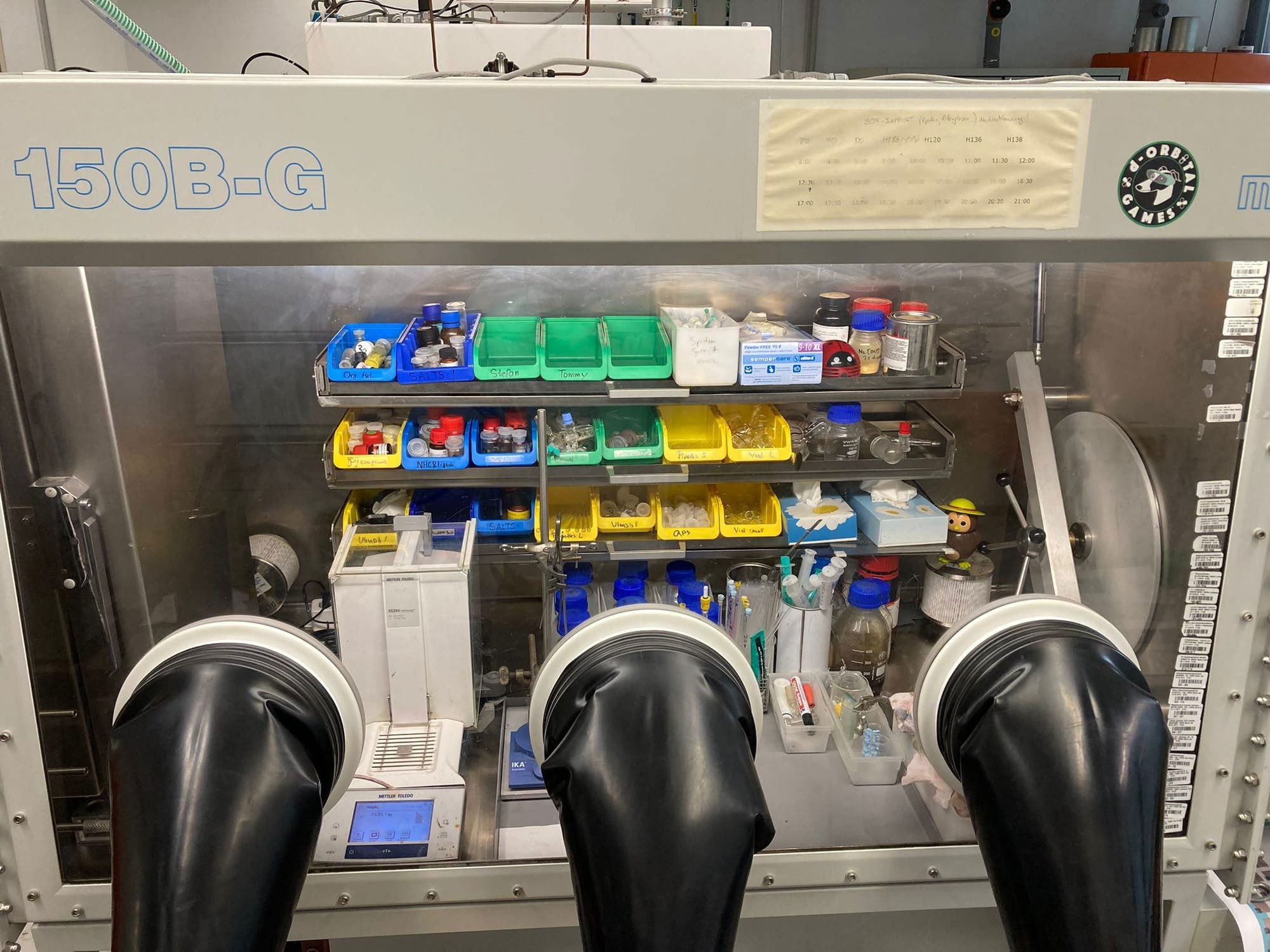
- Some new group members will join soon (research internships, Master's Thesis and a PhD student) - time to reorganise and clean the glovebox!
03/2024
- Peter travels to the "Chemiedozententagung" in Aachen. Yet another fruitful conference visit, apart from the rather underwhelming weather :D
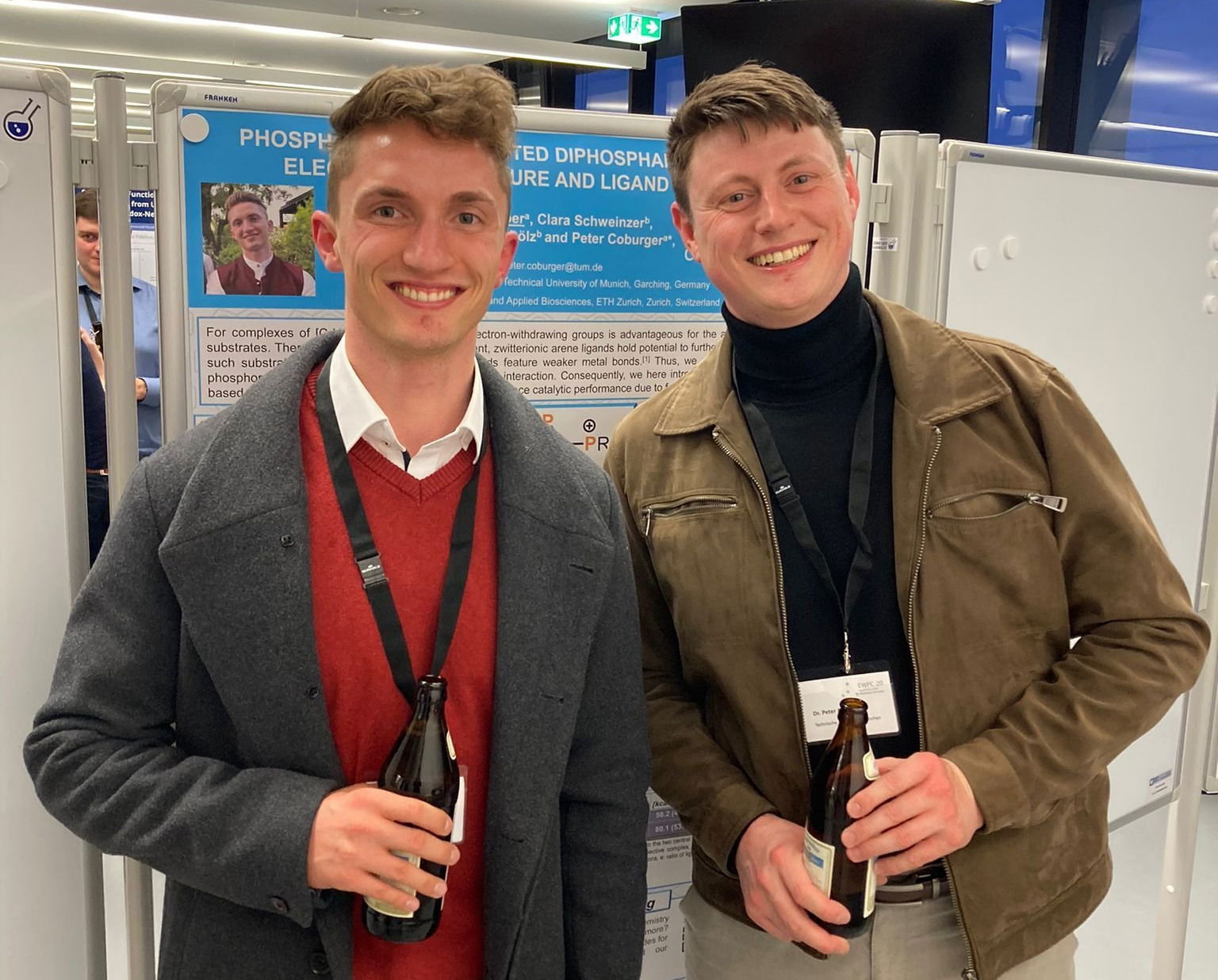
- David and Peter travel to the EWPC (European Workshop on Phosphorus Chemistry) in Würzburg, Germany. While it was the fifth time for Peter, it was Davids first conference including a nice poster presentation with lots of interesting discussions!
02/2024
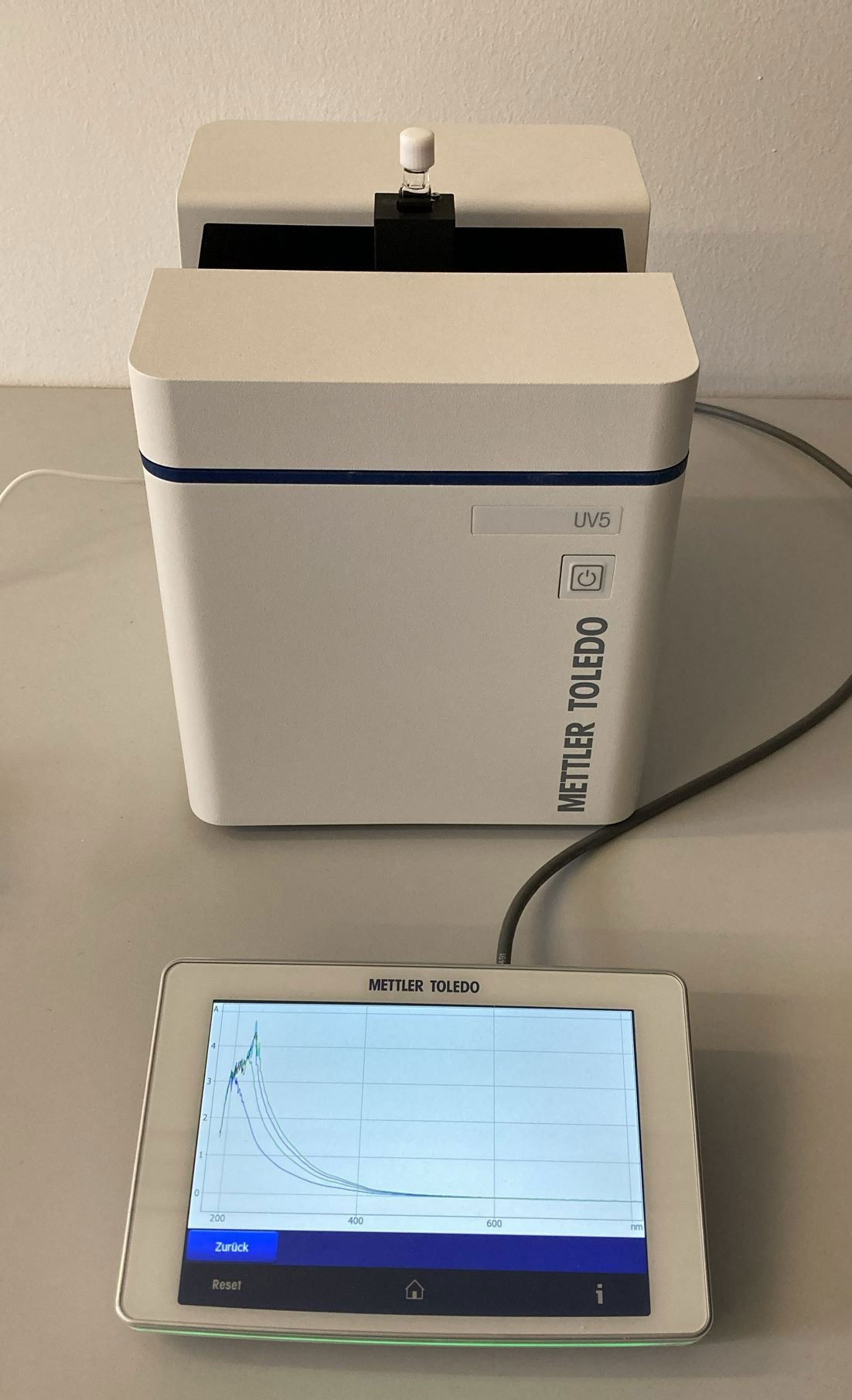
- Our UV-vis spectrometer arrived. A very helpful (and necessary) tool, as we are beginning to dip our toes in photochemistry!
- Our first project student, Leon, joins the group. He will be working on a theoretical project dealing with the ligand properties of biradicaloids.
2023:
12/2023
- Great news! Our Emmy-Noether proposal "Carbene- and phosphine-substituted biradicaloids for sustainable catalysis (CarPhoSCat)" got funded! This gives us the oppurtunity to dive deeper into the exctiting coordination chemistry and reactivity of biradicaloids and to develop novel approaches in catalytic olefin functionalization.
11/2023
- The first two publications from the group are out! The first one is a DFT study investigating the redox behavior of pyramidanes and the second one is our first novel biradicaloid ligand (see the Publications section for details).
09/2023
- Peter travels to the EuChemS Inorganic Chemistry Conference (Vienna, Austria) to present our new biradicaloid! This was a very nice conference with many interesting talks and presentations.
08/2023
- Finally a "group" - David joins the lab as the first PhD student!
04/2023
- After some time, chemicals and glassware are ordered, the fumehood is set up and the glovebox is finally running well. Time to do some chemistry!
03/2023
- Peter travels to the "Chemiedozententagung" (Dresden, Germany) and the PBSi (Berlin, Germany).
01/2023
- Exciting times ahead! Peter arrives at the Technical University of Munich (TUM) to start his independent career as a junior research group leader funded by with a Liebig sholarship of the VCI.
Peter
Academic career
Peter received his Master's degree from the University of Leipzig in 2015. He then conducted his PhD research with Prof. Evamarie Hey-Hawkins (2015 - 2019, University of Leipzig). The research focussed on utilizing carborane-substituted diphosphetanes as synthons for new phosphorus-based ligands. The PhD project was followed by a postdoctoral research project with Prof. Robert Wolf (2019 - 2020, University of Regensburg). This focussed on the computational exploration of unusual phosphorus ligands and their metal complexes. Then, following his passion for exotic phosphorus compounds, Peter relocated to the ETH Zurich to work as a postdoctoral research fellow in the group of Prof. Hansjörg Grützmacher (2020 - 2022). Here, he developed the coordination chemistry and redox chemistry of biradicaloid ligands. At the beginning of 2023, he started his independent research career at the TU Munich, initially supported by a Liebig Fellowship of the FCI and from 2024 onwards funded by the Emmy-Noether programme of the DFG.
Awards
- 2024: Emmy-Noether Fellowship of the DFG
- 2023: Liebig fellowship of the FCI
- 2020: Research fellowship (Postdoc) of the Deutsche Forschungsgemeinschaft
- 2020: BuildMoNa Award (3rd place) for “Outstanding Scientific Results”
- 2016: PhD fellowship of the Studienstiftung des Deutschen Volkes
- 2014: Fellowship of the Studienstiftung des Deutschen Volkes (chemistry studies)
Key Publications
- S. Frei, M. Neuwirt, P. Coburger*, Modular Design Enables Access to Onium-Substituted Diphosphacyclobutadienyl Complexes, CEUR 2026, 4, e202500475.
- D. Zuber, S. Frei, P. Coburger*, π-Complexes of Main-Group Metal Cations: Exploration of Lewis Acid Reactivity, CEUR. 2025, DOI: 10.1002/ceur.202500199.
- P. Coburger*, D. Zuber, C. Schweinzer, M.Scharnhölz, Phosphonium-substituted Diphosphaindenylide (PPI): Exploration of Biradical Character and Ligand Properties, Chem. Eur. J. 2023, e202302970.
- P. Coburger*, F. Masero, J. Boesken, V. Mougel*, H. Grützmacher*, A Germapyramidane Switches Between 3D Cluster and 2D Cyclic Structures in Single-Electron Steps, Angew. Chem. Int. Ed. 2022, 61, e202211749.
- P. Coburger, S. Demeshko, C. Rödl, E. Hey-Hawkins, R. Wolf, Oxidative P−P Bond Addition to Cobalt(−I): Formation of a Low‐Spin Cobalt(III) Phosphanido Complex, Angew. Chem. Int. Ed. 2017, 56, 15871–15875.
Peter Coburger
Department of Inorganic Chemistry with Focus on New Materials
Lichtenbergstraße 4
85747 Garching b. München
peter.coburger@tum.de
We are always looking for motivated students who would like to perform their research internship, Bachelor's or Master's Thesis in our group.
Currently, we are not offering any funded PhD or Postdoc positions, but there is always the possibility to write a proposal together - drop us a mail, if you are interested!